
Every spring, people decide they want a new lawn. They look at the bare patches the winter left behind, they see the garden centers stacked with seed, and they reasonably assume spring is when you grow grass.
It is the second-best time. In Massachusetts the best time to put in a new lawn is the fall, and it is not especially close. Between late August and the first hard freeze, sod and hydroseed alike, the odds are on the new grass's side.
Why Fall Beats Spring for a New Lawn
The grasses that make up essentially every lawn around Boston are cool-season grasses: tall fescue, Kentucky bluegrass and perennial ryegrass. They do their real growing when the weather is mild, and fall gives them a combination spring cannot.
- Warm soil. After a summer of sun the ground holds its heat well into September, so seed germinates fast and new roots keep growing.
- Cool air. Shorter, cooler days mean less heat stress and less water lost, exactly when young grass is at its most fragile.
- Fewer weeds. Crabgrass is an annual that germinates in spring and dies with the first frost. Seed in spring and your new lawn competes with it all summer. Seed in fall and the crabgrass is finishing up, not getting started.
- A head start. A lawn that roots in during the fall goes into its first summer established, instead of facing July heat with roots a few weeks old.
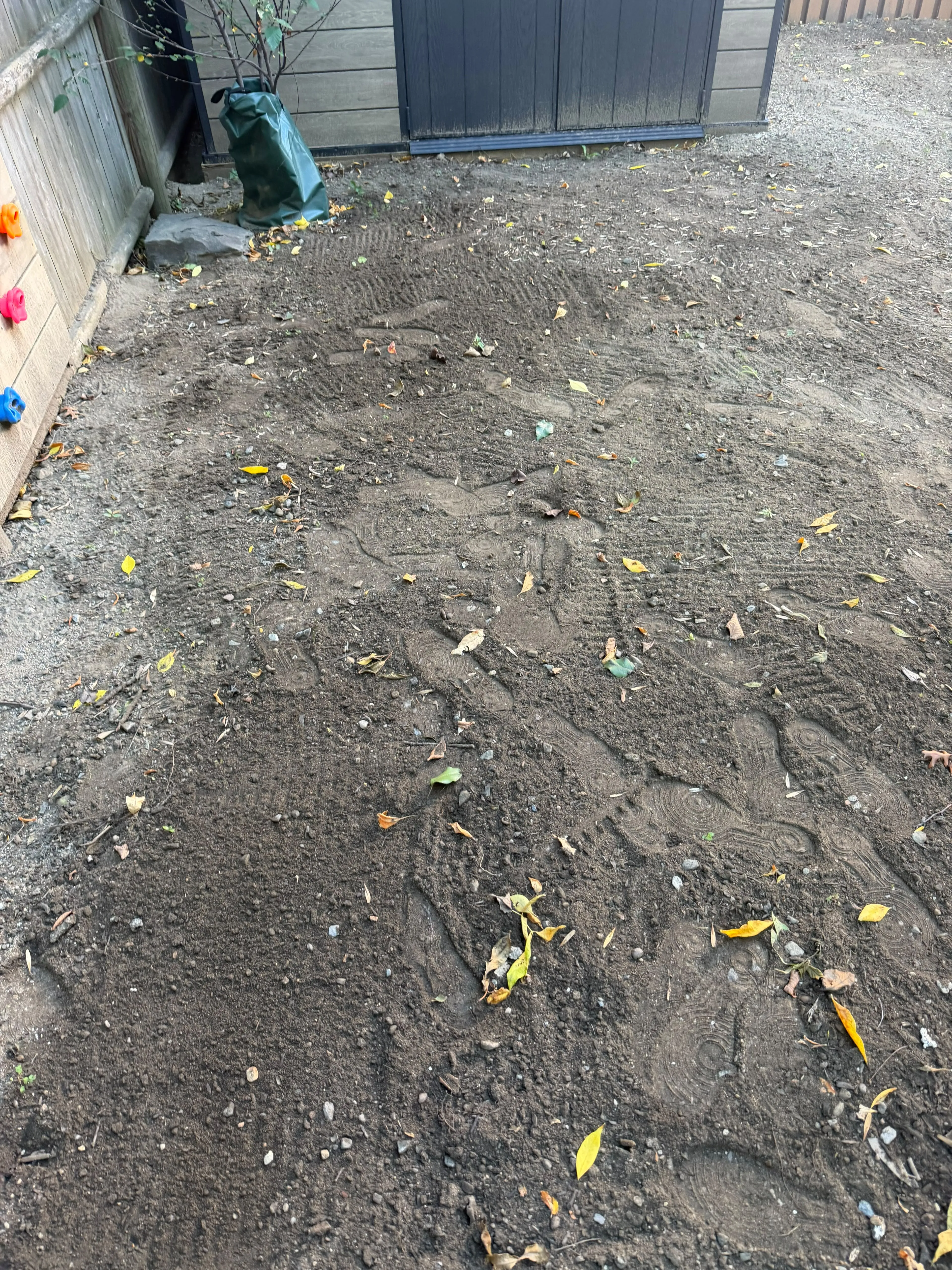
The Calendar: When Each Option Works
This is where sod and hydroseed part ways.
Seed and hydroseed want late August through September. New grass needs several weeks of growth before the first hard frost to survive its first winter. Seeded in early September, it has that. Seeded in late October, it may germinate and then get caught by the cold before it is ready.
Sod can go in much later. Because it arrives as mature grass, sod only needs its roots to grip the soil beneath. That can happen in cool weather, and sod can usually be laid as long as the ground is not frozen. In Greater Boston that often runs well into November.
If you are reading this after mid-October, that is the practical answer: sod is still on the table this year, seed is better booked for next August, and dormant seeding is a fallback rather than a plan.
Sod: A Finished Lawn in a Day
Sod is grown on a farm, cut into rolls with a thin layer of soil and roots, and laid over prepared ground. When the crew leaves, you have a lawn.
It is the right choice when you need the yard usable soon, for kids, dogs, a sale or an event, and when it is late enough in the year that seed will not establish. It also stops erosion and mud the day it goes down.
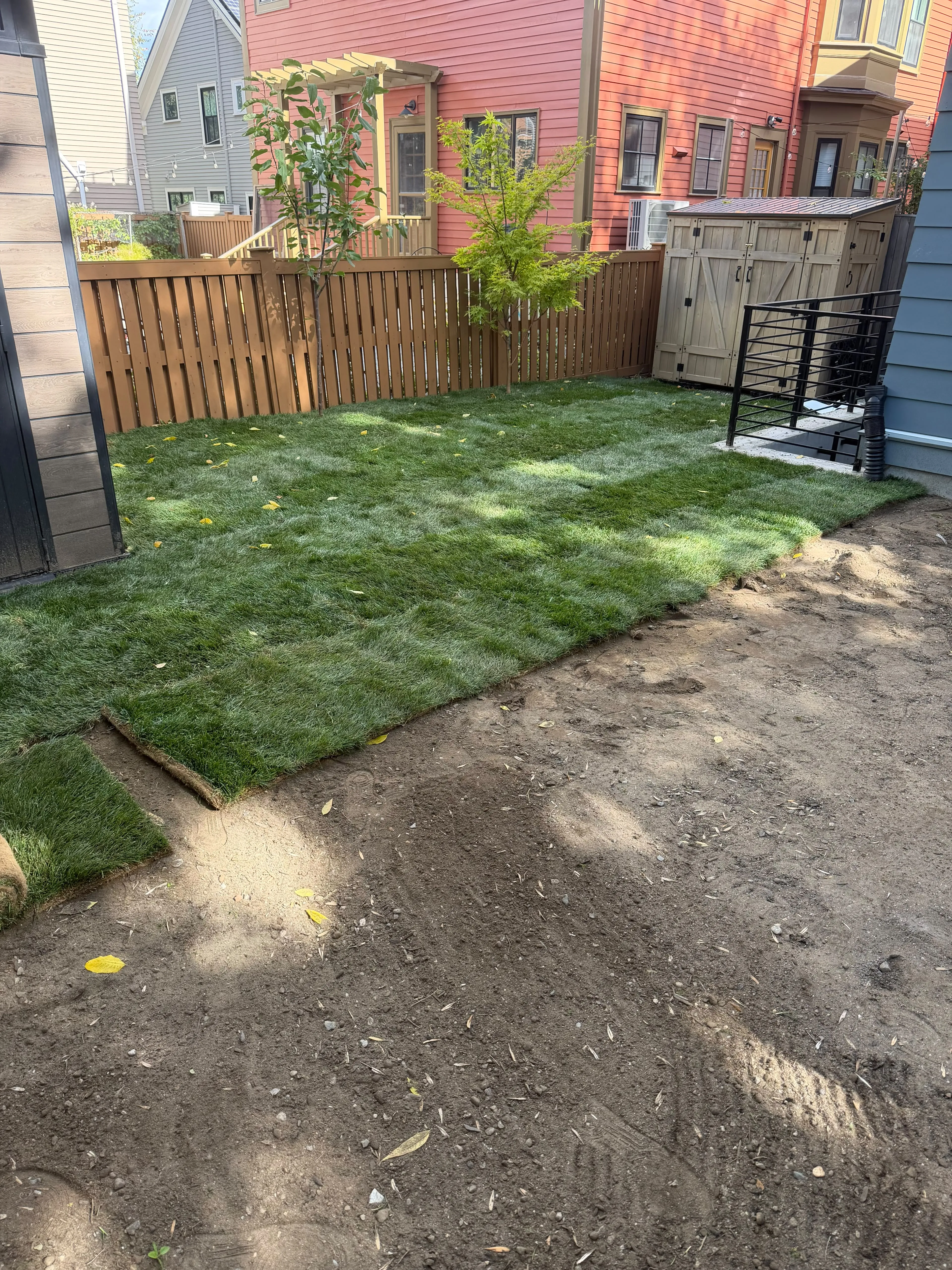
The trade-off is cost: sod costs more per square foot than seed. And it is only as good as the ground under it. Sod laid over compacted fill, old debris or a yard that drains toward the house will struggle no matter how green it looks on day one.
Hydroseed: Better Coverage Than Seed, Lower Cost Than Sod
Hydroseeding sprays seed, mulch, fertilizer and a binding agent onto prepared soil as a single slurry. The green or blue-green tint is there so the crew can see exactly where it has gone down and nothing gets missed.
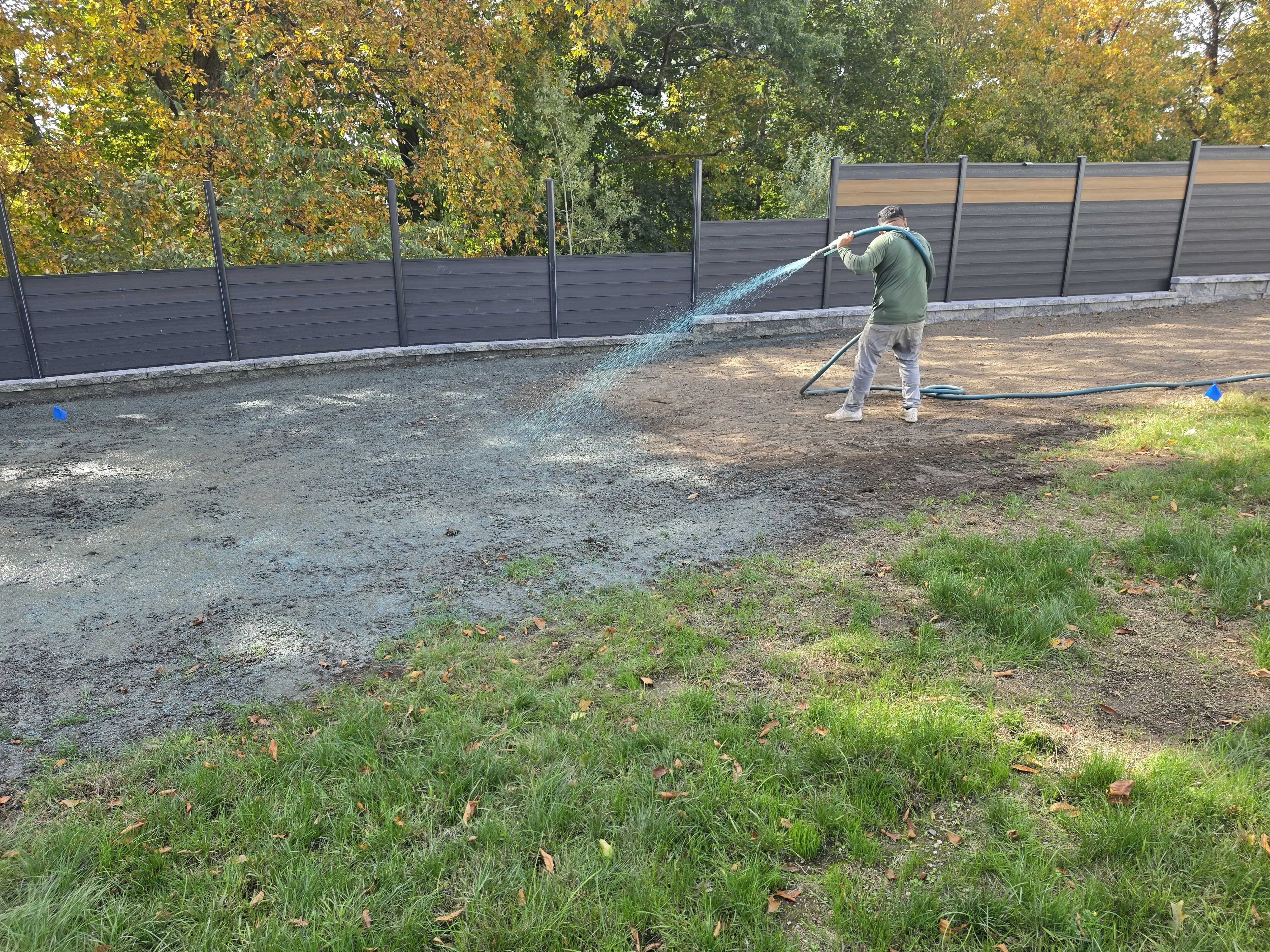
The mulch is the advantage. It holds moisture against the seed and keeps both seed and soil in place, which is why hydroseed is the go-to on slopes and banks where hand-spread seed would wash downhill in the first heavy rain. It also costs less than sod, which matters on large areas.
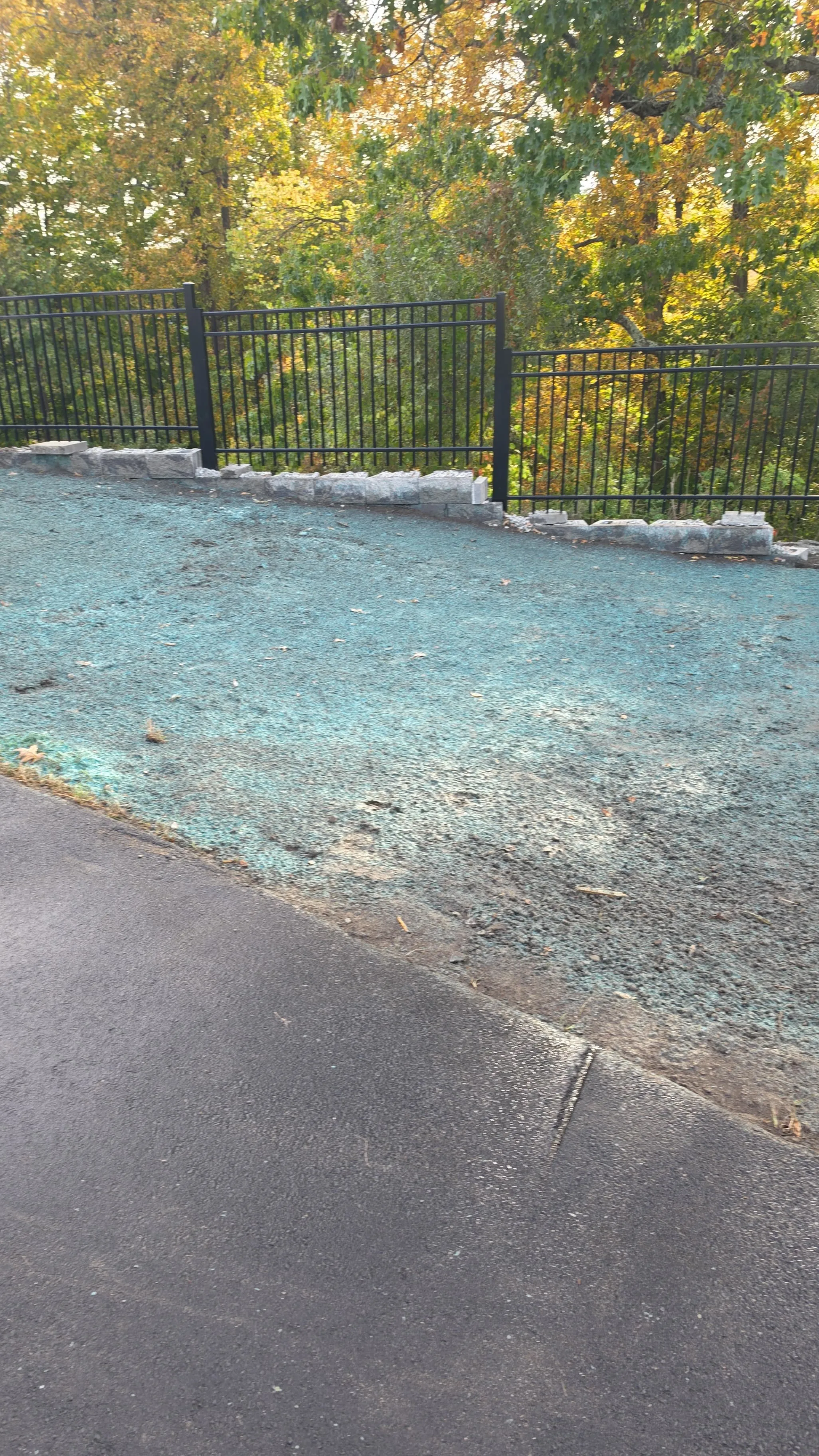
The trade-off is time. A hydroseeded lawn needs weeks to fill in and a season to thicken, it needs consistent watering while it does, and it has to go down early enough in the fall to establish before the cold.
Sod or Hydroseed: How to Choose
- Need the lawn usable within a few weeks? Sod.
- Past mid-October? Sod, or wait for next fall's seeding window.
- A slope or bank? Hydroseed, or sod pinned in place.
- A large area on a budget, with time to let it grow? Hydroseed in early fall.
- Heavy shade? Either way, the grass variety matters more than the method.
What Happens Before Either One
The part that decides whether a new lawn thrives is the same for both: the ground. Old turf, weeds and debris come out. The yard is graded so water runs away from the house, the foundation and any walls. Good topsoil goes down where it is needed, and the surface is raked and rolled firm. Skip this and you are paying for a lawn that starts with a handicap.
Looking After a New Fall Lawn
- Water it. New sod needs a daily soaking for roughly the first week or two, then less as it roots. Hydroseed needs the surface kept moist until it germinates. Fall's cool weather helps, but a dry October still needs a hose.
- Stay off it. Keep foot traffic, and especially dogs, off until sod has rooted in or seedlings have had a couple of mowings.
- Mow high the first time. Wait until sod resists a tug or seedlings reach mowing height, then cut on a high setting with a sharp blade.
- Keep the leaves off. A mat of leaves on a brand-new lawn is worse than one on an old lawn. See our fall cleanup guide.
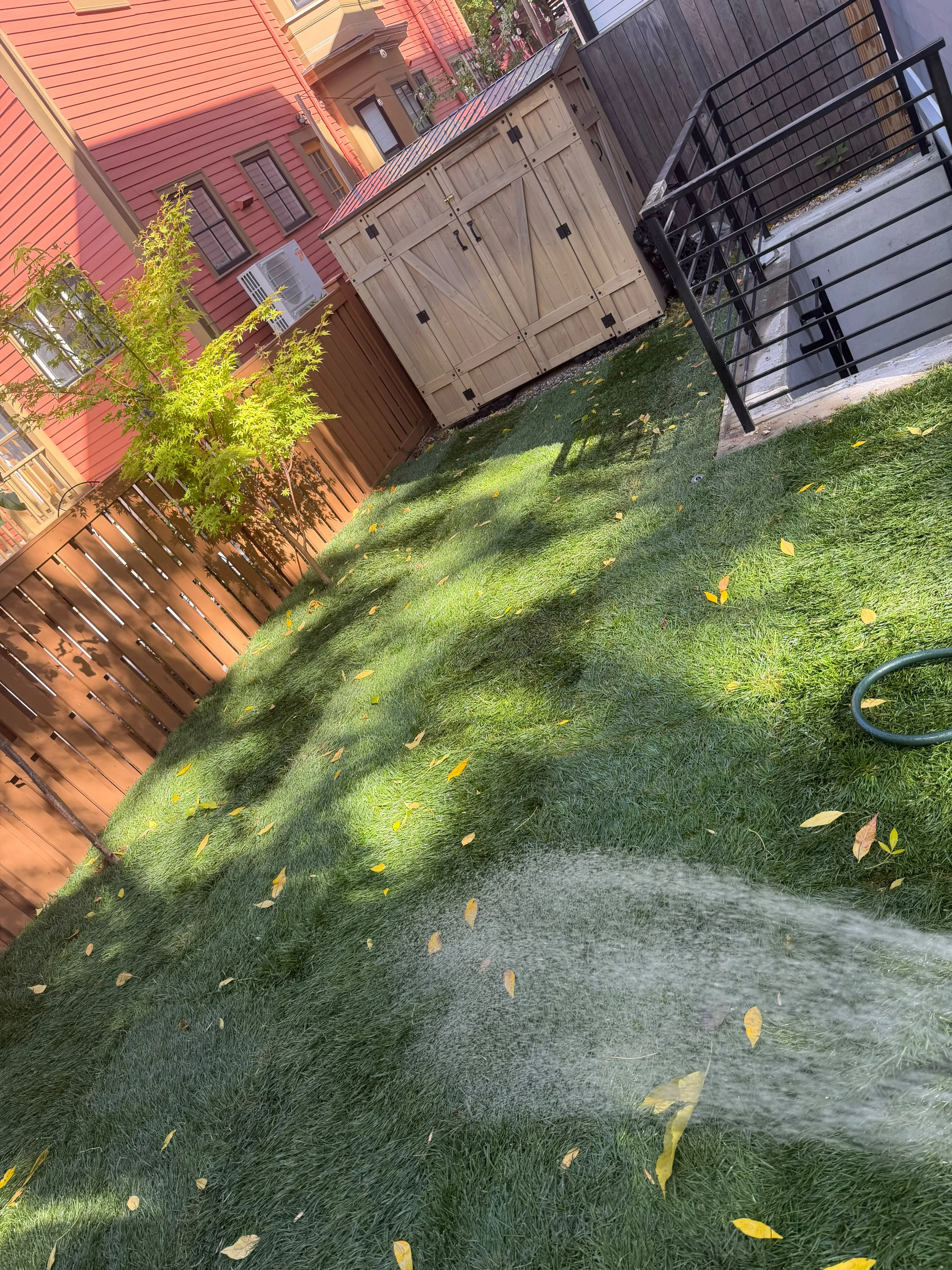
Getting a New Lawn Put In
We install sod and hydroseed lawns across Greater Boston and Metro West, from small city backyards to school athletic fields. We will tell you honestly which one suits your yard and your calendar, including when that answer is "wait until next August." See our sod installation and landscaping services, look at real jobs from start to finish, or request a free estimate.
Common Questions
When is the best time to seed a lawn in Massachusetts?
Late August through September. The soil is still warm from summer, which gets seed germinating quickly, while cooler air and shorter days ease the stress on young grass. Crabgrass and most summer weeds are finishing their year rather than starting it. New grass also wants several weeks of growth before the first hard frost, which is why seeding gets riskier as October goes on.
How late in the fall can you lay sod in Massachusetts?
Much later than you can seed. Sod can usually go down as long as the ground is not frozen and sod is still being harvested, which in Greater Boston often runs into November. The roots need some time to grip before the soil freezes, so earlier is still better, but sod is the right choice once the seeding window has closed.
Is hydroseeding better than sod?
Neither is better across the board. Sod gives you a finished lawn the day it goes down, can be installed later in the fall, and is the choice when kids and dogs need the yard soon. Hydroseed costs less per square foot, suits large areas and slopes because the mulch holds seed and soil in place, but takes weeks to fill in and needs to go down in the early fall window.
How often should I water new sod in the fall?
Daily for roughly the first week or two, enough to soak through the sod into the soil beneath. Then taper off as the roots take hold. Cool fall weather means less water than a summer install needs. Lift a corner to check: if it resists and you can see white roots in the soil, it is rooting in. Keep watering until the ground freezes if the fall is dry.
What is dormant seeding?
Spreading seed in late fall once the soil is too cold for it to germinate, usually around late November or December, so it sits through winter and sprouts in early spring. It can work on bare soil, but it is less predictable than seeding in the late-summer window, and the seed is exposed to washout and birds. It is an option rather than a plan A.
Written by Yacine Ibrahimi, Founder & CEO of Casablanca Services, Inc.. Casablanca Services has worked in Greater Boston since 2005 and is listed by the City of Boston as a local mattress recycler. Questions? Call (508) 271-5655.